
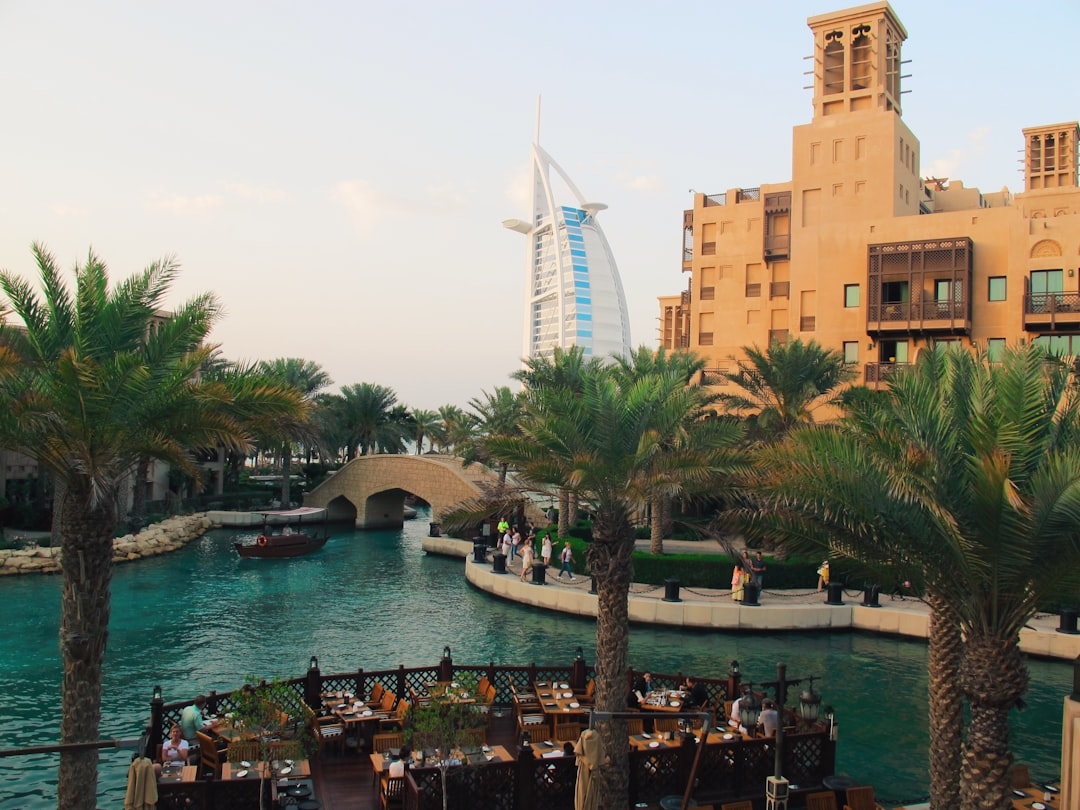
In this article I walk you through everything I cover in the original video by the creator of the original video — from the very first concept to the first plate you send out. If you are serious about opening a restaurant in dubai, this guide will give you a complete roadmap: concept creation, location selection, legal approvals, kitchen design, staffing, suppliers, marketing and the ongoing steps to keep your business thriving.
If you’re thinking about opening a restaurant in dubai, you already understand why so many entrepreneurs are attracted to this city. Dubai combines a wealthy local population, a constant stream of tourists, a modern infrastructure and a business-friendly regulatory environment. But that opportunity comes with fierce competition, high rents and strict regulatory standards. This guide is tailored to help you navigate those realities practically and confidently.
Outline: What this guide covers
- Why Dubai? market overview and opportunity
- How to develop a strong restaurant concept
- Market research and competitor study
- Choosing the best location and negotiating rent
- Licences, permits and municipal approvals
- Designing the dining room and planning the kitchen
- Hiring staff, visas, training and service culture
- Suppliers, procurement and inventory management
- Marketing, launch strategies and online listings
- Post-launch operations: consistency, inspections and innovation
- Sample timeline, budgets and practical checklists
- Common mistakes and FAQs
Why Dubai? Market overview and opportunity
There are many reasons people consider opening a restaurant in dubai. The city has a diverse and affluent population, a huge tourist flux throughout the year, and a culture that celebrates dining out. Dubai’s cosmopolitan demographic means almost every cuisine has a potential audience: Arabic, Indian, Asian, Italian, fusion and niche concepts can all find customers if executed well.
But opportunity and competition go hand in hand. When you are opening a restaurant in dubai you must account for high rents in premium locations, staffing costs, import logistics for specialty ingredients and the necessity of strict compliance with food safety regulations. Understanding both the upside and the challenges up front will help you plan more realistically and avoid common pitfalls.
Start with a compelling concept: the idea before the plate
Before you cook your first meal you need to cook up a great concept. Dubai has thousands of restaurants, and the ones that survive and scale are those with a clear identity and a compelling value proposition. When planning to open a restaurant in dubai you should answer the following questions as early as possible:
- What cuisine will I offer? Arabic, Asian, Italian, Indian, fusion, or something else?
- Who is my target audience? Locals, tourists, expat families, business professionals or late-night diners?
- What will make my restaurant unique? Taste, theme, price point, curated experience or convenience?
Be specific. “Mediterranean fusion for professionals in Business Bay” is stronger than “Mediterranean restaurant.” That specificity will guide everything from menu engineering to the interior fit-out and your marketing plan.
How to test your concept before you commit
When planning to open a restaurant in dubai you can reduce risk by testing your concept in low-cost ways:
- Run a pop-up night at an existing café or shared kitchen to observe customer reactions and collect feedback.
- Offer a limited menu through a delivery platform for a trial period—this helps validate recipes and pricing without the overhead of a full restaurant.
- Host invite-only tastings for food influencers, local business owners and friends. Their feedback is valuable and generates early social buzz.
These tests also let you refine costing and portion sizes before you invest in expensive kitchen equipment and a dining fit-out. If you’re opening a restaurant in dubai, these early learnings will save you time and money.
Market research and competitor study: learn by walking the neighbourhood
Once you have a concept, spend serious time researching the market. Visit popular dining pockets like Jumeirah, Downtown Dubai, Business Bay, DIFC, Jumeirah Lakes Towers (JLT), Dubai Marina and local neighbourhoods. When you are opening a restaurant in dubai, familiarity with nearby competition and pricing is essential.
During visits, pay attention to:
- What do successful nearby restaurants offer on their menus and what are their price points?
- How long do customers wait for a table? Peak hours and turnover rates are valuable signals.
- Service levels, portion sizes, presentation and the atmosphere customers value in that area.
- What gaps exist? Is there demand for late-night dining, healthier options, quick casual concepts, or family-friendly menus?
Competitor study also informs your pricing strategy. If you are opening a restaurant in dubai you must balance perceived value with realistic cost targets. Dubai diners can pay premium prices for premium experiences, but value is still critical—especially in neighbourhoods frequented by price-sensitive families or office workers.
Location matters: choosing the right neighbourhood
In Dubai, location is everything. Foot traffic, visibility and access can make or break your restaurant. When considering where to open a restaurant in dubai, consider three principal location categories:
- Tourist and fine dining hubs: Downtown Dubai, Jumeirah and similar areas attract tourists and high spenders. Ideal for fine dining and experiential restaurants.
- Business and daytime trade: DIFC, Business Bay and Dubai International Financial Centre are best for lunch and business meetings—fast, polished service and a higher proportion of corporate clients.
- Residential and family-oriented neighbourhoods: Marina and JLT suit family-friendly menus, casual dining and delivery-focused operations.
Remember: rent costs in premium areas are high. It is often smarter to start small in a busy area rather than go big in a quiet one. If you are opening a restaurant in dubai on a limited budget, consider smaller footprints or shared spaces such as food halls, hotel partnerships, or free zones with lower overheads.
Foot traffic, visibility and accessibility
Consider the customer journey. Are there parking options? Is the site visible from the street? Can delivery riders access the kitchen quickly? For anyone opening a restaurant in dubai, logistics for delivery are as important as dine-in accessibility—especially in areas with heavy office demand where delivery orders may form a large portion of daily revenue.
Licences and municipal approvals: the legal foundation
When opening a restaurant in dubai you must obtain two main approvals: a trade licence and a food licence. The trade licence is issued either by the Department of Economic Development (DED) for mainland businesses or by a relevant free zone authority if you choose a free zone setup. The food licence comes from Dubai Municipality.
Required documents typically include:
- Approved floor plan from Dubai Municipality
- A No Objection Certificate (NOC) from the landlord
- Signed tenancy contract
- Trade licence application and company documentation
- For alcohol service, a separate alcohol licence and compliance with venue rules
Many entrepreneurs use business setup consultants who understand local processes and can fast-track approvals. If you are opening a restaurant in dubai and you are unfamiliar with the administrative procedures, a consultant can save valuable time and reduce the risk of application rejection due to incomplete information.
Alcohol licensing and restrictions
If your concept includes serving alcohol, you’ll need an additional permit. Alcohol licences come with specific conditions around location, security, and who can be served. Some residential areas and family dining streets restrict alcohol service, so check the municipal rules for your chosen neighbourhood before signing any long-term contracts.
Designing the restaurant: brand, décor and kitchen layout
Design should always reflect your brand. When opening a restaurant in dubai, you can’t rely on a single element; the dining room, lighting, furniture and even staff uniforms must tell a consistent story. A café might use cosy wooden furniture and warm lighting. A fine dining spot will prioritise high-end finishes and intimate lighting. A family-friendly restaurant should focus on durability, easy maintenance and a welcoming layout.
Kitchen design principles
Kitchen design is non-negotiable when opening a restaurant in dubai: it determines efficiency, safety and long-term operating costs. Dubai Municipality is strict about food safety requirements; your kitchen must meet standards for ventilation, storage, waste disposal, hand-wash stations and temperature control.
- Plan the kitchen workflow to minimise staff movement between hot, cold and prep zones.
- Include adequate cold storage, dry storage and separate allotments for allergen management.
- Install a professional-grade ventilation system and grease traps as required by local codes.
- Provide clear waste segregation points and disposal systems that meet municipal guidelines.
Investing in a smart kitchen layout and early staff training will save you from costly refits and inspection failures later. If you are opening a restaurant in dubai, make sure your contractor and equipment suppliers are familiar with Dubai Municipality specifications.
Staffing and training: your team is your front line
Dubai’s hospitality scene is competitive and service-driven. When opening a restaurant in dubai, hiring the right team is as important as your menu. Prioritise experienced chefs, trained front-of-house staff and friendly service personnel.
Key administrative items for staff:
- All employees must have valid work visas and Emirates IDs.
- Health screening and health cards are mandatory for kitchen and food handlers in many roles.
- Food safety training and certificates (often HACCP or municipality-approved courses) should be completed before opening.
- Written employment contracts that comply with UAE labour laws.
Service culture in Dubai emphasises politeness, efficiency and attention to detail. If you are opening a restaurant in dubai, invest in service training: greet every guest, manage expectations clearly and ensure speed of service for business clientele during lunch hours.
Recruitment channels and salary expectations
Recruit through hospitality recruiters, local job portals and social media groups. Consider the following salary ranges (indicative and dependent on experience and nationality):
- Head chef: competitive package depending on experience and cuisine speciality
- Sous chef and line cooks: market-competitive hourly or monthly rates
- Front-of-house managers: salary plus possible incentives based on revenue
- Waiters, bussers and support staff: base salary with service charge distributions
Include visa, accommodation support (if applicable) and training budgets when you forecast staffing costs. If you are opening a restaurant in dubai, remember that staff turnover can be high in hospitality; plan for ongoing training and a small cushion in payroll for hiring cycles.
Suppliers, procurement and inventory management
Reliable suppliers are the backbone of any restaurant. When opening a restaurant in dubai, you should build relationships with local distributors for staple items and identify specialty importers for unique ingredients. Key categories to secure suppliers for include:
- Fresh produce and meats
- Dairy and chilled goods
- Dry goods and pantry items
- Beverages (non-alcoholic and alcoholic where permitted)
- Cleaning and sanitation supplies
- Equipment maintenance and spare parts
When opening a restaurant in dubai, always negotiate lead times, credit terms and minimum order quantities. Maintain buffer stock for high-turnover items and have contingency suppliers for seasonal fluctuations. Track usage by dish to control food cost and reduce waste—this is essential for long-term profitability.
Inventory controls and food cost management
Implement inventory management systems from day one. Simple spreadsheets can work for a start-up, but consider a POS-integrated inventory system as soon as you can. When opening a restaurant in dubai, aim for a monthly food cost percentage goal aligned with your concept (for many casual concepts 25–35% is a target; fine dining may vary). Monitor wastage, theft and portion control to protect margins.
Marketing and launch strategy: create buzz before day one
No matter how delicious your food is, you need smart marketing. When opening a restaurant in dubai, build excitement before you open the doors. Start with a clear brand identity and a pre-launch plan.

Pre-launch tactics that work:
- Build an Instagram page with behind-the-scenes content showing menu development, kitchen prep and staff introductions.
- Partner with food influencers and bloggers for tastings. A single well-placed review can create significant foot traffic in Dubai.
- Offer soft-launch nights for invitees and neighbours to gather initial feedback and build testimonials.
- Use local advertising channels and community groups—Dubai neighbourhoods are tightly networked, and word-of-mouth travels fast.
Once you open, list your restaurant on Google Maps and major delivery and discovery platforms such as Zomato, Talabat, Deliveroo and similar services operating in Dubai. Encourage satisfied customers to leave positive reviews. For many restaurants opening a restaurant in dubai, online visibility through these platforms drives a large proportion of orders in the first 6–12 months.
Launch day and opening offers
Opening day tactics often include free tastings, discounted menus and loyalty cards for return visits. Controlled opening-day offers can create urgency and help you fill seats without giving away unsustainable margins. If you are opening a restaurant in dubai, consider a two-stage launch: a soft opening to refine operations and a grand opening for maximum publicity.
Operational excellence: consistency, inspections and customer feedback
After opening, focus relentlessly on consistency. Dubai inspectors from Dubai Municipality and other authorities may conduct regular checks on hygiene and safety standards. Keep your licences up to date and ensure your kitchen and dining areas remain spotless.
Key operational disciplines for anyone opening a restaurant in dubai:
- Daily cleaning checklists and scheduled deep-cleaning activities
- Temperature logs for refrigeration and hot-holding units
- Staff briefings before each shift focused on service standards
- Customer feedback mechanisms integrated into POS and social channels
Listen to customer feedback and take corrective action quickly. A single negative review can influence decision-making for other potential customers in Dubai’s connected market. Keep innovating with new dishes, loyalty programs and seasonal offers to stay ahead and retain repeat business.
Finances: budgeting, rent, and realistic projections
Financial planning is non-negotiable when opening a restaurant in dubai. Rent is one of the largest fixed costs, especially in premium areas. Factor in rent, licences, equipment, initial inventory, staff recruitment and marketing when you calculate your runway.
Typical initial cost items include:
- Security deposit and rent (often several months’ equivalent)
- Fit-out and interior design costs
- Kitchen equipment and extraction systems
- Licences and municipal fees
- Initial staff salaries and visas
- Working capital for inventory and utilities
- Marketing and pre-launch promotions
Sample 12-month cashflow outline when opening a restaurant in dubai (illustrative):
- Months 0–3 (pre-launch): heavy spend on fit-out, licences, staff recruitment and initial marketing. Low revenue.
- Months 4–6 (soft launch): revenue begins; focus on training and operational stability.
- Months 7–12: aim to reach steady state; continue customer acquisition and optimise margins.
Be conservative in revenue estimates and generous in contingency reserves. Restaurants often take 12–24 months to break even. If you are opening a restaurant in dubai, prepare for a longer ramp than you might expect in other markets.
Sample timeline: how long does it take to open a restaurant in Dubai?
Timing varies with concept, approvals and fit-out complexity. A realistic timeline for opening a restaurant in dubai might look like this:
- Weeks 1–4: Finalise concept, preliminary market visits and landowner discussions.
- Weeks 3–8: Apply for trade licence and submit initial plans to Dubai Municipality.
- Weeks 8–16: Fit-out works, kitchen installation and equipment procurement.
- Weeks 12–18: Hiring, staff visa processing and food safety training.
- Weeks 16–20: Soft launch and operational tuning.
- Week 20+: Grand opening and full marketing push.
Some approvals can be expedited with the right paperwork or a business setup consultant. However, always allow extra time for unforeseen delays—especially for kitchen extraction approvals and landlord NOCs.
Checklist: concrete actions for your first 90 days
When opening a restaurant in dubai, keep this checklist handy. It captures the essential items to address before and immediately after opening:
- Refine and document your concept and core menu.
- Complete detailed competitor research and price benchmarking.
- Secure site with a clear tenancy contract and landlord NOC.
- Apply for trade licence and Dubai Municipality food licence.
- Design kitchen layout to meet municipal requirements.
- Order and install kitchen equipment and ventilation systems.
- Recruit key staff and complete visa and health requirements.
- Run a soft launch and collect customer feedback for rapid iteration.
- Register on Google Maps and delivery platforms; set up social channels.
- Establish supplier contracts and initial stock deliveries.
- Set up daily operational checklists and training manuals.
Common mistakes to avoid when opening a restaurant in Dubai
People opening a restaurant in dubai often make similar mistakes. Being aware of these can help you avoid them:
- Underestimating rent and operational overheads. Budget conservatively.
- Ignoring local municipal requirements, especially for kitchen ventilation and waste disposal.
- Failing to test the concept before committing to a large fit-out.
- Low investment in staff training and service culture.
- Delaying online listings—visibility on discovery platforms drives a lot of business.
- Not having contingency for supply chain disruptions or seasonality.
If you are opening a restaurant in dubai, avoid these pitfalls by planning cautiously, building in time for iteration and investing in staff and systems from day one.
Additional practical tips and hacks
Here are practical tips that often make a difference:
- Negotiate a stepped rent schedule with your landlord where possible—this reduces pressure in your first months.
- Use a delivery-only or cloud kitchen model to validate concepts in a low-cost way before investing in prime real estate.
- Offer a midday business lunch menu for located-in-office areas—this drives high-margin repeat business.
- Have a simple, high-margin set of signature dishes that define your concept and control food-cost variability.
- Build relationships with local hotels and concierge desks; tourists are often sourced through these channels.
These small strategic choices can materially improve your chances of success when opening a restaurant in dubai.
Case study: a fictional example to illustrate the process
Imagine you’re opening a modern Mediterranean bistro targeting professionals in Business Bay. Here is a simplified roadmap using the lessons above:
- Concept validation: run 3 pop-ups at a coworking space and collect feedback on three signature dishes.
- Location: secure a 100 sq.m. unit near an office tower with high lunchtime footfall; negotiate a 6-month rent-free period during fit-out.
- Licences: submit floor plans and obtain DED trade licence and Dubai Municipality food licence within 8–10 weeks.
- Design: install an efficient open kitchen with clear flow for lunch service; invest in a strong coffee program for breakfast and early meetings.
- Staffing: hire an experienced head chef with local market knowledge and a front-of-house manager with corporate lunch experience.
- Marketing: partner with two local influencers, run a soft launch for office staff and list on Zomato, Deliveroo and Google Maps on day one.
- Operations: target a food cost of 28% and train staff to achieve a sub-20-minute lunch turnaround time to handle office rushes.
Within 6 months the bistro aims to reach steady lunchtime occupancy, with evening trade growing through local word-of-mouth and delivery platforms. This practical, staged approach reduces initial risk and helps the concept finetune before expanding.
How to measure success after opening
When opening a restaurant in dubai you need clear metrics to gauge performance. Key performance indicators include:
- Daily covers and average check size
- Food cost percentage and labour cost percentage
- Customer acquisition channels and return rates
- Online ratings and number of repeat customers
- Gross margin and break-even timeline
Track these metrics weekly and adjust pricing, menu engineering and promotions accordingly. Use simple dashboards from your POS provider if available, and hold weekly operations meetings to resolve pain points quickly.
Scaling and franchising considerations
If your goal extends beyond a single site—such as opening multiple units or franchising—plan for standardisation. Create an operations manual, recipe cards with exact portioning, supplier agreements that scale and a branded training programme for managers.
When opening a restaurant in dubai and thinking ahead to scale, ensure your supply chain can support multiple sites and that your quality controls are replicable. Franchise expansion also requires legal frameworks, trademark protections and strict operational audits.
Final thoughts: realistic optimism
Opening a restaurant in dubai is a challenging but highly rewarding pursuit. The market is lucrative if you get the fundamentals right: a clear concept, the right location, strict compliance with regulations, a trained and motivated team, reliable suppliers, and a strong marketing plan. The original video and its creator emphasised planning, passion and patience—and I echo that message here.
Success rarely happens overnight in hospitality. Many restaurants take 12–24 months to reach profitability. If you are opening a restaurant in dubai, commit to consistent quality, adapt quickly to feedback, and protect your margins with disciplined financial controls.
How long does it typically take to get all licences when opening a restaurant in dubai?
Typical timelines vary, but expect 6–12 weeks for basic trade and food licence approvals when documents are in order. Some items like fit-out approvals or landlord NOCs can add extra time, so allow a buffer in your timeline.
What are the two main approvals needed for opening a restaurant in dubai?
You need a trade licence (from the Department of Economic Development or a free zone authority) and a food licence from Dubai Municipality. Additional permits may be needed for alcohol service and specific fit-out approvals.
What neighbourhoods are best for different concepts when opening a restaurant in dubai?
Downtown Dubai and Jumeirah are great for fine dining and tourist-facing restaurants. DIFC and Business Bay suit business lunch and professional clientele. Marina and JLT are good for family-friendly dining and residential trade.
How important is location when opening a restaurant in dubai?
Location is critical—foot traffic, visibility and delivery access heavily impact success. High rent areas can bring premium customers but also higher operating costs. Balance visibility with budget when choosing a site.
Do I need a special permit to serve alcohol when opening a restaurant in dubai?
Yes. Serving alcohol requires a specific licence and comes with additional regulatory obligations and restrictions, including rules about who can be served and where alcohol can be displayed or consumed.
What are common startup costs when opening a restaurant in dubai?
Startup costs typically include rent deposits, fit-out and interior, kitchen equipment, licences and municipal fees, staff recruitment and visas, initial inventory and marketing. Plan for a substantial upfront investment and several months of working capital.
How can I test a restaurant concept before fully committing to a site?
Run pop-ups, use cloud kitchens or list a limited menu on delivery platforms. Invite local influencers and community tastings to get feedback. These low-cost tests help validate your menu, pricing and service model before a big investment.
What are key operational checks to pass Dubai Municipality inspections?
Key checks include proper ventilation and extraction systems, designated hand-wash stations, correct temperature-controlled storage, waste disposal and segregation systems, and adherence to hygiene and staff health-card requirements.
How do I build early momentum when opening a restaurant in dubai?
Start building hype on social media before launch, partner with influencers, run a soft launch for local customers, and list on discovery and delivery platforms from day one. Offer opening promotions and encourage reviews to build early traction.
Is it better to start small or go big when opening a restaurant in dubai?
Starting small in a busy area is often the safer route. It allows you to validate the concept, refine operations and build a customer base before committing to a large-scale fit-out. Many successful restaurants expand only after the initial site proves viable.
Conclusion and next steps
Opening a restaurant in dubai is not easy, but with the right preparation it is absolutely achievable. Begin with a clear concept, validate the market, secure a practical location, comply with licensing and municipal rules, design a kitchen for efficiency, hire and train staff properly, lock in reliable suppliers and execute a smart marketing plan. Focus on consistency and agile improvement after launch.
Thank you for reading. If you found this guide useful, consider revisiting the original video by the creator of the original video for a quick visual overview, and use this article as your deep-dive checklist as you progress from idea to opening day. Good luck with your journey in opening a restaurant in dubai — it’s challenging, but with planning and persistence, immensely rewarding.
✅ Try Free Consultant |
|
Get in touch with one of our experts in the field of IT & software for all business-specific solutions. |
| Click me |
This article was created from the video Air Bnb.mp4 with the help of AI.