
It is an exciting and possibly lucrative experience to open a food business in Dubai. As one of the fastest developing cities in the world and an international trade hub, Dubai presents entrepreneurs with various possibilities to venture into the food business.
From the number of tourists going to the city to the multicultural population of the city, various food options have never been required. Nevertheless, finding someone’s way through the legal operations of the food industry, operations and markets can prove to be heavy. In this broad guide, we will see how to set up a food business in Dubai and keep your enterprise in position for success.
What is a Food Business?
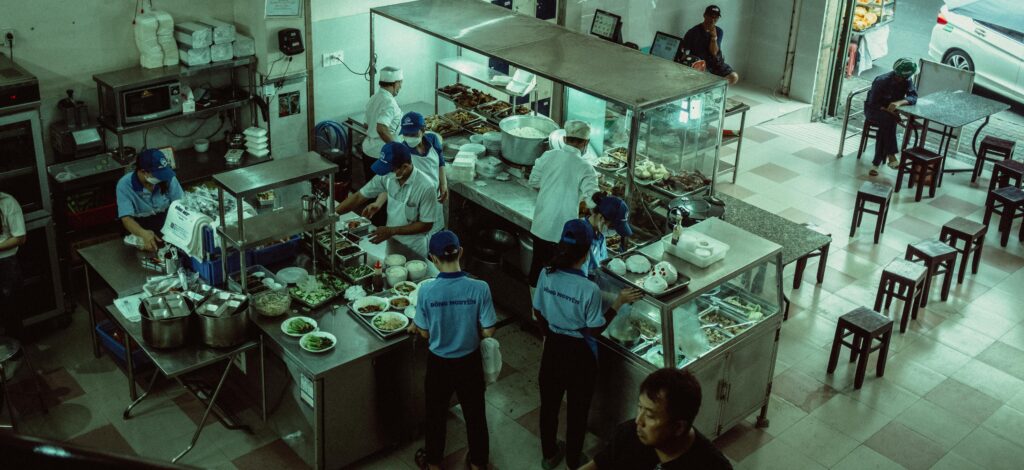
A food business consumers have any facilities in the production, preparation, sale or distribution of food and drinks. This can be in the form of restaurants, food trucks, catering companies, distribution companies, or even home-based food businesses.
Dubai’s food business is dynamic and diverse because there is a permanent need for new and novel food experiences, especially since the city is famous for its global cuisine. It opens a window of opportunity to serve both residents and a growing tourist population for entrepreneurs.
Benefits of Starting a Food Business in Dubai
Dubai provides various benefits to food entrepreneurs that create the most suitable place to establish your food business in Dubai. These include everything from increasing demand for foreign cuisine in the city to the city-friendly tax governance that promotes trade expansion.
Growing Demand for International Cuisine
Dubai is a melting pot of cultures and nationalities, which increases the continuous demand for diverse Pak Prasad. Whether you are opening a restaurant, which offers Middle Eastern cuisine, a food truck offering Asian Street Food, or a high-level food experience, there is an audience for it in Dubai. The city’s residents and millions of global tourists are interested in new food experiences, thus providing enough scope for food industry entrepreneurs.
Tax-Free Environment
One of the most appealing reasons for entering the food business in Dubai is its tax-free environment. For companies set up in certain free zones, there is no income tax, capital profit tax or corporate tax. This minimizes financial stress on entrepreneurs and enables food businesses to re -create its profits in expansion and growth. Although there are some VAT regulations to keep in mind, Dubai’s tax system remains highly business-friendly.
Business-Friendly Regulations
The government of Dubai has developed a foreign investment-friendly environment. It is comparatively easy to start a business within the city, owing to the smooth procedures for acquiring permits and licenses. The city also offers various free areas, under which foreign investors can have full ownership of businesses without the assistance of local sponsors. With a focus on transparency, reduced bureaucracy, and the promotion of business growth, Dubai becomes a good destination for entrepreneurs.
Tourism and Expat Market
Tourism is a major contributor in Dubai’s economy, in which millions of visitors visit the city every year. This persistent number of visitors translates to regular demand for food services, especially those who serve international tastes. Dubai also hosts a large number of migrants, giving food businesses a diverse customer base. It does not matter that you are serving locals, visitors or migrants; The possibility of customer dialogue in Dubai is strong.
High Potential for Profitability
Thanks to its prosperous economy, tax-liberation and great demand for diverse food options, Dubai provides a high level of profitability in the food industry. With the right business plan, innovative concept and marketing strategies, food businesses can also grow quickly and succeed in Dubai.
Food industry entrepreneurs should be able to expect quick returns on investment if they embrace upcoming trends or provide creative food experiences.
Steps to Start a Food Business in Dubai

Although opening a food business in Dubai provides many benefits, there are necessary steps to follow in this process. If you follow a well -planned functioning, you will be able to clarify general mistakes and establish your business for success.
Conduct Market Research and Develop a Business Plan
Initial steps in establishing a food business in Dubai have to do broad market research. It is important to know about local food culture, determine consumer trends and check competition. With this information, you can correct your concept and make sure that your food products will be attractive to your target market.
Once you understand the market, the next step is to prepare a solid business plan. This business plan should describe your business model, target market, operational strategies, financial estimates and marketing strategies. A good business plan will be a guidebook for your food business and will guide your decision making by building your business in Dubai.
Choose the Right Business Structure (Mainland vs. Free Zone)
In Dubai, you have two main options for organizing your food business: mainland and free area. Both have advantages and disadvantages, and your decision will be based on your business objectives.
By establishing a food business in the mainland, you allow you to open a shop anywhere in the UAE including the center of the city of Dubai. The mainland business comes with a local sponsor, which will be part of the business and will get a part of the profits. The mainland businesses have to deal with the tender laws of Dubai, but they have the advantage of unrestricted access in the local market.
Alternatively, establishing a business in a free field means 100% ownership of your company. Free zone tax exemption and streamlined import/export procedures provide favorable incentives. Free areas are only the negative side; Businesses within a free area are usually not allowed to trade outside the zone, but need additional permission to trade within the UAE.
Obtain Necessary Licenses and Permits
To legally run your food business in Dubai, you will need a proper license and permit. These are a trade license from Dubai municipality as well as food permits from the Department of Economic Development (DED). For the procedure you need to present the documents mentioned about your business plan, lease agreement and what to do in your proposed business. It is important to ensure that your company follows all laws in your region, such as health and safety rules.
If you are planning to provide food distribution services, there are some additional transport and food security related permits to secure. Get ready to get the trips from Dubai Municipality whether your business is in line with all cleanliness and safety measures.
Find a Suitable Location and Set Up the Kitchen
The location is important for the success of any food business in Dubai. Whether you are opening a restaurant, cafe, or food trucks, your location can greatly affect your sales and visibility. In selecting a place, consider closing the pedestrian traffic, residential areas or tourist places and how close it is to your target market.
Once you have a site arrangement, the time has come to fit your kitchen. Dubai’s food industry has very strict health and safety rules, so your kitchen needs to be specially designed to meet these standards. This implies having proper store facilities, waste management systems and sanitary systems. You will also need the appropriate cooking equipment for efficiency and the quality of the food.
Meet Food Safety and Hygiene Standards
Food security for food businesses in Dubai is a major concern, and strict policies for the safety of consumers. The rules of food preparation, handling and storage are applied by the Dubai municipality, and these rules should be followed to punish or prevent your business from closing.
Prior to opening your food business, you also need to go through a food safety inspection that will assess your kitchen cleanliness, food storage practices and overall food handling procedures. It is also necessary to make sure that your workers are trained in food security and hygiene. Proper food handling, cross-poll prevention, as well as general hygiene standards, are the things that your employees should know.
Register the Business and Obtain Trade License
Once all preparations are completed, the time has come to officially register its company with the Department of Economic Development (DED). Dubai Food Business Registration is a simple process, but for this you need to provide all the documents required, such as your business name, business plan and proper approval from the authorities if necessary.
Getting a trade license is an important step in this process, as it will enable you to legalize your business. If you do not have a valid business license, your food business will not be able to work in Dubai. The license should be renewed every year, and if you do not, it may finance or shut down your business.
Hire Skilled Staff and Training Requirements
The prosperity of your Dubai food business lies in the ability of your people. Selection of experienced chefs, waiters and managerial staff is required to ensure that standards are placed and top-level customer service is provided. In addition, Dubai Food Safety Acts determine that your employees are fully trained in food security, hygiene and food handling procedures. Ensure that your employees are well prepared to handle your food business needs.
Develop Marketing and Branding Strategies
With more competition in the Dubai food business, a good marketing and branding strategy is required. Your branding should be able to portray your unique offerings and attract your target audience. This includes installing an identifiable logo, developing an easy-to-use website and creating an attractive social media appearance.
Your company can be popular and attract traffic using marketing strategies on the Internet, such as search engine optimization (SEO), online pay-click advertising, and food ordering applications. Word-of-mouth promotion and impacted cooperation can also generate traffic in your food establishment.
Tips for a Successful Food Business in Dubai
Opening a food enterprise in Dubai provides numerous opportunities, but there are also challenges. For your food business to be successful, keep the following tips in mind:
Understand Local Food Trends and Preferences
Various populations of Dubai have different food inclinations. Be aware of the current trends in the local food industry and adapt your products to cater to consumers’ evolving taste. This involves making use of new content, providing healthy options, or consuming for certain dietary needs.
Focus on High-Quality Ingredients and Hygiene
Quality in your food business should always be preferred. Spend money on great quality materials so that both your food is delicious and safe to consume. It is important to conform to the quality of your dishes to maintain customers. It is also important that you maintain a high level of hygiene standards to achieve the confidence of your customers and fulfill local laws.
Leverage Online Food Delivery Platforms
The use of food-ordering platforms such as Uber Eats, Zomato and Talabat has become incredibly popular over the years. Supporting these platforms can greatly increase your exposure and allow you to reach a comprehensive customer base. The presence of delivery services also provides additional facilities for customers, especially in situations where eating out may not be possible.
Invest in Strong Branding and Digital Marketing
In order to compete in Dubai’s competitive food market, a good brand and proper digital marketing are crucial. Develop a distinct and memorable brand identity that speaks for itself to your target customers. Employ social media channels to show off your menu, engage with customers and offer special promotions. Also, invest in local SEOs to optimize your company well on the search engine.
Offer Unique and Authentic Menu Options
With so many food choices in Dubai, presenting some unique and authentic offering can serve to differentiate your food business. Whether it is a signature item, a novelty combination of items, or even a single kind of food experience, presenting something memorable can appeal to customers and talk about your brand.
Legal Considerations for Food Businesses in Dubai
To start a food business in Dubai, legal rules must be followed. Rules ensure that your business is legally, safe and responsible.
Trade License and Food Business Permit
To legally run a food business in Dubai, you will need to obtain a business license from the Department of Economic Development (DED). You may also need the nature of your business to get some food-specific permits from Dubai Municipality.
Compliance with Dubai Municipality Food Safety Regulations
Food security in Dubai is a high priority, and companies have to meet strict standards to provide safe food to their customers. This involves meeting hygiene and hygiene requirements, as well as maintaining all food handling and storage methods as per government rules.
Import and Export Regulations for Food Products
If you are going to import goods or materials for your food business, then you have to follow Dubai’s import/export rules. These rules ensure that imported goods are safe and meet standards.
Health and Safety Standards for Staff
Dubai labor laws said that all food businesses promote a safe work situation for their workers. This includes proper training of employees, following health and safety standards and providing employees with necessary protective gears.
VAT and Taxation Policies for Food Businesses
Although Dubai is famous for being tax-free, food companies are still required to follow the VAT rules. If your turnover is above the required limit, you have to register for VAT and charge it on respective products and services.
Challenges of Running a Food Business in Dubai

Although Dubai offers great opportunities, opening a food enterprise is accompanied by issues. These include high capital investment, stringent rules and rigorous competition in the market.
High Initial Investment and Operating Costs
Setting up your food business in Dubai may include higher initial investment, especially for Upscale restaurants or undertakings in prominent locations. Running expenses, such as rent, employee salary and utility bill, can quickly add. It is important for your success to get a plan and adequate capital for these expenses.
Strict Regulatory Compliance
Dubai has strict food security and professional rules, and violating them may have to finance or stop your business. Keeping yourself informed about the rules and ensuring that your business meets all legal standards is important to keep your business running.
Competitive Market
The food business in Dubai is highly competitive, in which a large number of businesses are ready to pay attention. To be successful, you will need to provide something unique and maintain high standards of food quality and service.
Seasonal Fluctuations in Demand
The food industry of Dubai can be a witness to rapid rash demand due to the seasonal nature of tourists and regional events. This indicates that you will have high demand and then low demand period. It is necessary to accommodate ups and downs to keep your business profitable throughout the year.
Hiring and Retaining Skilled Workforce
The need for qualified labor in the food services sector can make it difficult to recruit and maintain high quality personnel. Paying competitive wages and providing benefits will help you recruit and maintain better employees.
Conclusion
Entrepreneurship in the food business in Dubai is a profitable enterprise with a profitable venture with heavy opportunities. The growth of international food in the city, tax-free status, pro-business policies and multicultural consumer base are strong pillars for success. With appropriate stages, being flexible to comply with legal processes, and to respond to market dynamics, your food business in Dubai can succeed and be a major player in this fast and competitive market.
In addition, joining forces with EBMS business can give you an air to the setup process and you can be expected to specialize in every way, while keeping obedient and competitive in the market. With proper guidance and a well -defined plan, you can steer through Dubai’s food business landscape and install a successful enterprise.
Frequently Asked Questions (FAQs)
- How much does it cost to start a food business in Dubai?
The cost can vary widely depending on the type of business and its location, with prices ranging from AED 50,000 to AED 500,000 or more for a small to medium-sized food business in Dubai.
- What are the best locations for opening a restaurant in Dubai?
Popular locations for restaurants include Downtown Dubai, Dubai Marina, Jumeirah, and Business Bay, but the best location depends on your target audience.
- Do I need a local sponsor to start a food business?
A local sponsor is required for mainland businesses, but free zone businesses do not require a local sponsor.
- How long does it take to get a food business license in Dubai?
Typically, it takes between 2 to 4 weeks to obtain a food business license, depending on the business type and the efficiency of document processing.
- Can I start a home-based food business in Dubai?
Yes, you can start a home-based food business, but you will need to meet food safety and licensing regulations.